
Mental Health and Emotional Literacy
Mental health and emotional well-being are an important part of how young people understand themselves, build relationships, cope with stress, and navigate the world around them.
Many boys grow up receiving messages that encourage them to appear strong, independent, and emotionally controlled, while vulnerability or asking for help may be treated as weakness.
Over time, these pressures can affect how boys express emotions, cope with stress, build relationships, ask for support and understand themselves and others
Mental health is not only about crisis or diagnosis. It is also about emotional well-being, connection, resilience, self-esteem, and feeling safe expressing emotions in healthy ways.

Boys, Masculinity, Mental Health and Emotional Literacy
-
Many boys grow up receiving messages that emotional expression is a weakness. Boys may be told to “man up,” “be tough,” or “handle things on their own,” while vulnerability, sadness, or fear are discouraged.
An original White Ribbon study found that more than 31 million North Americans have told their sons not to show emotion.
Over time, these messages can shape how boys:
Express emotions
Ask for help
Build relationships
Cope with stress or insecurity
Understand vulnerability and mental health
When boys feel pressure to suppress emotions, difficult feelings may instead show up through withdrawal, anger, isolation, emotional shutdown, or risk-taking behaviours.
Helping boys develop emotional literacy does not make them “less strong.” It helps build resilience, confidence, healthy relationships, and emotional well-being.
-
Many boys grow up receiving messages that they should always appear strong, independent, emotionally controlled, or “tough.”
Over time, these expectations can make it harder for boys to:
Talk openly about emotions
Ask for help
Process sadness, fear, or insecurity
Feel emotionally safe with others
Some boys may learn to hide vulnerability or express difficult emotions through anger, withdrawal, silence, emotional shutdown, or risk-taking instead.
Creating space for boys to express emotions without shame can help build confidence, resilience, healthier relationships, and emotional well-being.
-
When boys feel pressure to constantly hide emotions or “handle things alone,” it can affect not only their own well-being, but also how they relate to others.
Over time, emotional suppression can contribute to:
Isolation or loneliness
Anxiety or shame
Difficulty communicating
Fear of vulnerability
Emotional disconnection
Difficulty asking for support
It can also shape how boys navigate friendships, family relationships, dating, conflict, and communication. When vulnerability is treated as weakness, emotions may instead show up through anger, withdrawal, control, defensiveness, or emotional shutdown.
In some cases, boys may struggle to communicate emotions in healthy ways, resolve conflict respectfully, or build emotionally safe relationships. Left unaddressed, rigid expectations around masculinity and emotional suppression can contribute to harmful behaviours, hostility, or even violence toward themselves or others.
Helping boys develop emotional awareness, empathy, and healthy communication skills can support stronger relationships, emotional resilience, and healthier ways of coping with stress and conflict
-
Social media, gaming culture, influencers, and online communities can shape how boys understand confidence, masculinity, success, and self-worth.
Some online spaces promote unrealistic expectations around:
Appearance and body image
Wealth, status, or dominance
Emotional control
Relationships and masculinity
Because online content is often emotional and attention-grabbing, algorithms can continue reinforcing these messages over time.
Helping boys think critically about online influence can support healthier self-esteem, emotional awareness, and resilience.
-
Emotional resilience is not about “never struggling.” It’s about helping young people feel supported, connected, and able to navigate challenges in healthy ways.
Boys benefit from:
Emotionally safe relationships
Trusted adults who listen without judgment
Opportunities to talk openly about emotions
Healthy friendships and role models
Encouragement to ask for help when needed
Small, consistent conversations and moments of connection can have a powerful impact over time.
-
Parents do not need to have perfect answers to support their child’s mental health.
What matters most is staying connected, listening without judgment, validating emotions, and reinforcing that asking for help is okay.
Parents can also help by being mindful of the messages boys receive about masculinity, emotions, and vulnerability. Boys benefit when they are encouraged to express emotions openly, build empathy, communicate respectfully, and develop confidence without feeling pressured to always appear “tough,” dominant, or emotionally controlled.
Try to:
Check in regularly
Stay curious instead of reactive
Create space for honest conversations
Model healthy emotional expression
Encourage support-seeking without shame
Supportive, non-judgmental conversations can help boys feel safer expressing emotions and reaching out when they need help.

Watch and Discuss: Uncomposed
Music can trigger powerful emotions, memories, and reflection. Through White Ribbon’s Uncomposed campaign, we invited men to engage with music as a way to open conversations about emotions, vulnerability, and mental health.
Many boys and men grow up feeling pressure to stay emotionally controlled or hide difficult feelings. Uncomposed encourages more open, honest conversations about emotional well-being and reminds us that vulnerability is not weakness.
Small conversations can go a long way. Creating emotionally safe spaces where boys feel heard, supported, and able to express themselves can make a meaningful difference over time.
Watch together and reflect:
Why can emotions feel difficult for some boys and men to express?
What messages do boys receive about vulnerability or asking for help?
What helps people feel emotionally safe opening up?
How can music, storytelling, or shared experiences help start conversations?
What does healthy emotional expression look like?
Helpful Resources
For decades, White Ribbon has been at the forefront of engaging men and boys to promote emotional literacy, vulnerability, and mental wellness.
-
![]()
The Manbox
VIDEO
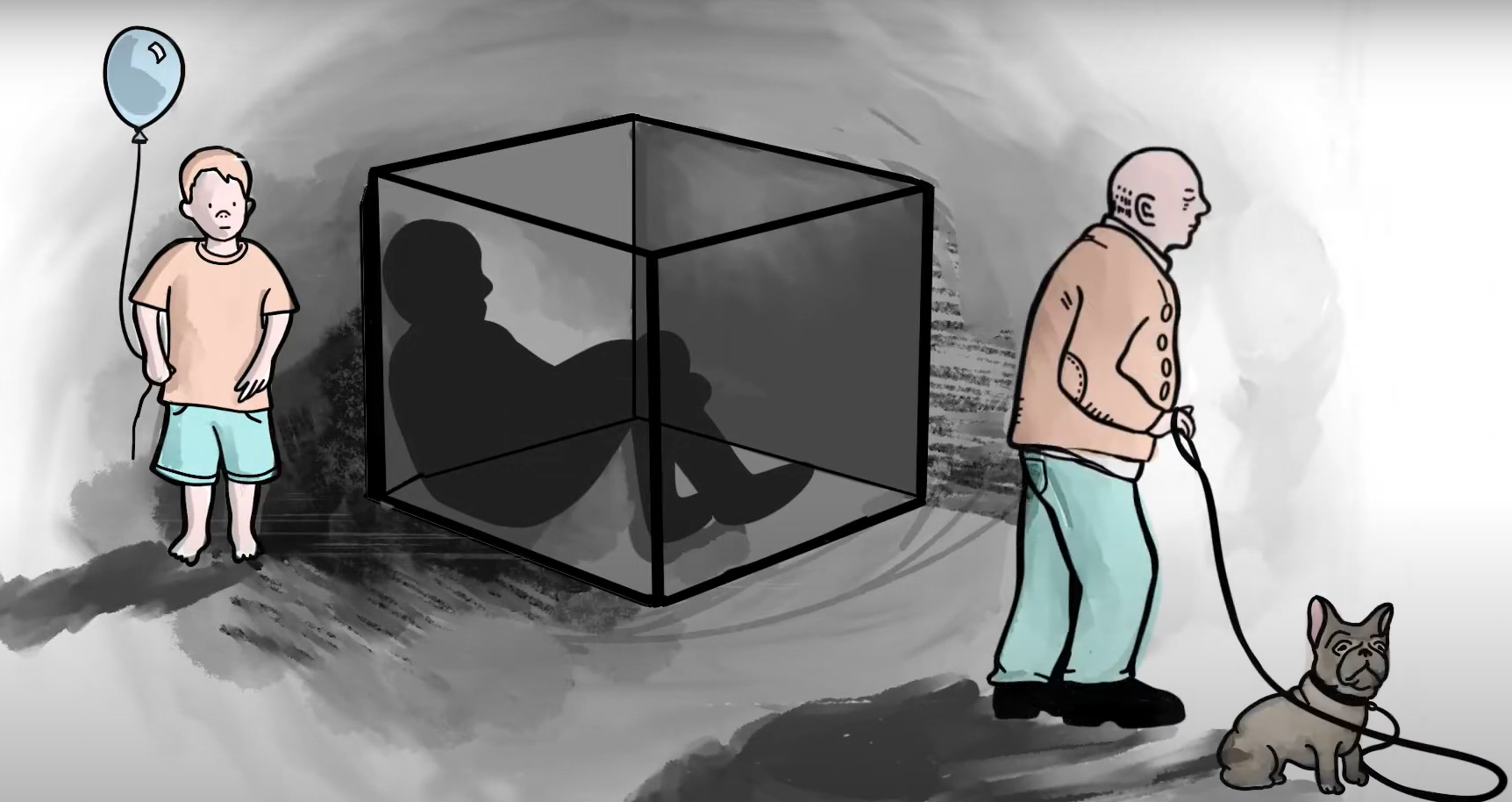
The ‘Manbox’ helps explain the invisible pressures boys and men face to fit into narrow ideas of masculinity. This video offers a powerful starting point for parents to understand how these expectations shape behaviour, emotions, and relationships—and how to begin meaningful conversations with their children.
-
![]()
Men Don't Want Flowers
CAMPAIGN
A campaign inviting men to rethink vulnerability and masculinity through a simple, universal gesture: receiving flowers. By centring empathy and care, it encouraged men from all backgrounds to reflect on healthier, more open expressions of emotion.
-
![]()
Uncomposed
GLOBAL PSA
Was launched to commemorate White Ribbon’s 30 years of working towards a new vision of masculinity. Uncomposed calls into men’s hearts with a powerful message: showing vulnerability is not a weakness but a strength.


Help and Support
White Ribbon works with men and boys to promote emotional literacy and vulnerability.
Parent groups, schools, organizations, institutions, and communities can book our workshops to gain practical tools and guidance to support boys in building critical thinking and healthy relationships.
If you’re concerned about your safety or someone else’s, explore the resources in the link below and connect with the support that feels right for you.
You are not alone.
Return to raisingboys.ca