
Navigating Masculinity

Boys today are growing up surrounded by diverse messages about what it means to “be a man.”
Some of these messages encourage confidence, responsibility, and leadership. But others can place boys under pressure to hide emotions, avoid vulnerability, seek dominance over others, or tie their worth to status, appearance, or control.
We call these narrow expectations “The Manbox” — the pressure boys and men often feel to fit into a limited definition of masculinity.
Learn more:
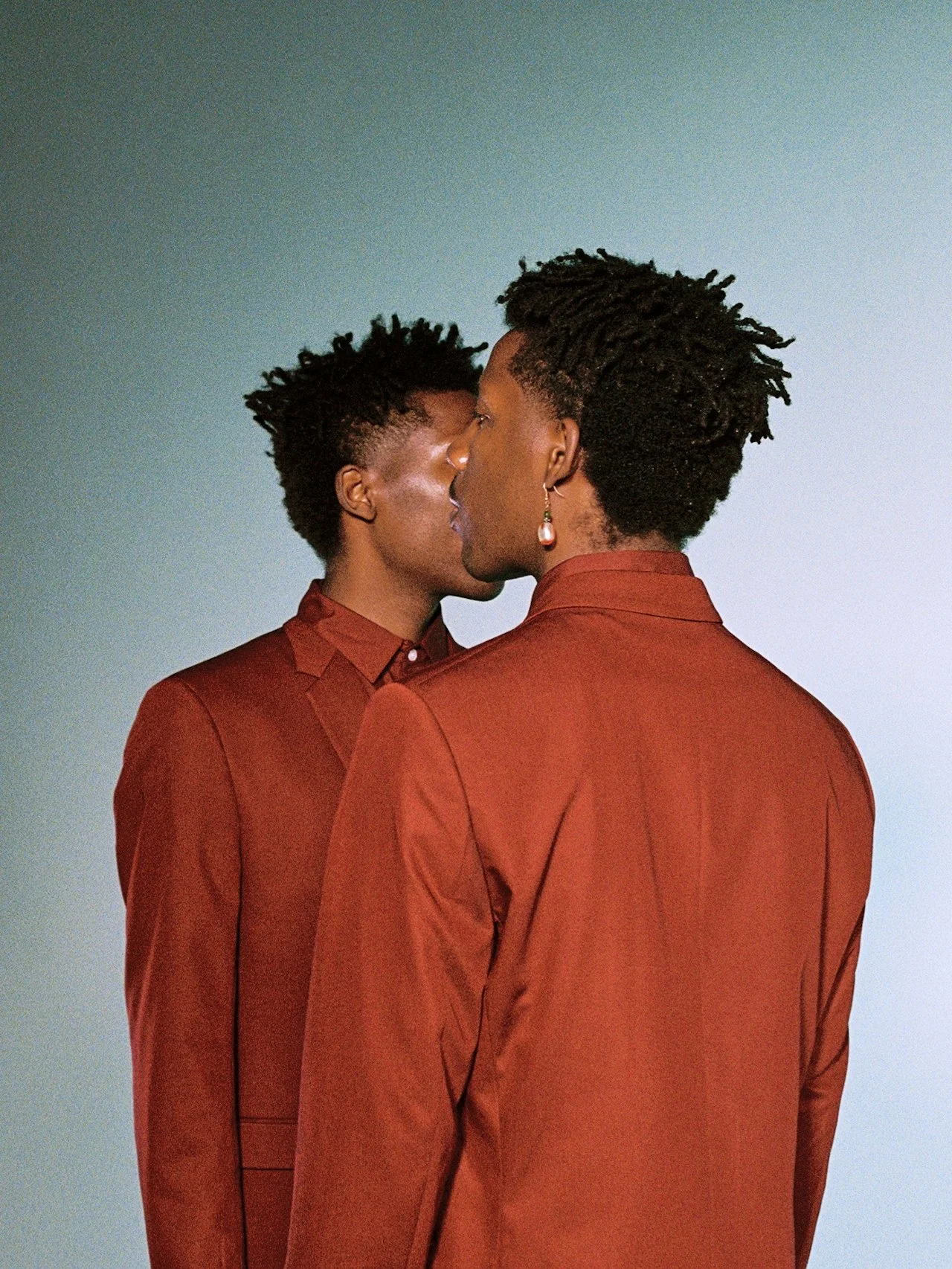
The Manbox: Understanding Gender Expectations on Boys and Men
-
The “Manbox” is a way of describing the narrow expectations boys and men are often pressured to fit into.
These messages can include ideas like:
“Real men don’t cry”
“Men should always be tough”
“Showing emotion is weakness”
“Men must always be in control”
These expectations can come from social media, friends, school, sports, entertainment, family, and broader culture.
-
Pressure to fit into rigid expectations can affect how boys:
Express emotions
Build healthy relationships
Ask for help
Handle stress or insecurity
Understand confidence and self-worth
Over time, this can contribute to:
Emotional isolation
Anxiety or shame
Difficulty communicating
Fear of vulnerability
Pressure to constantly “prove” themselves
-
The pressure to fit into rigid expectations of masculinity doesn’t just affect boys themselves—it can also shape how they see and treat others.
Rigid expectations of masculinity can also influence how boys approach:
Friendships and peer dynamics
Romantic relationships
Conflict and communication
Empathy, consent, and respect
Some boys may begin to absorb messages that men should always be dominant, stoic, or “in charge,” while vulnerability and emotional expression are treated as weaknesses. Over time, these ideas can normalize misogyny, discrimination, disrespect, control over others, or unhealthy expectations in relationships.
Healthy relationships are built on trust, communication, emotional safety, equality, and mutual respect. Helping boys question harmful expectations can support them in building stronger relationships and healthier understandings of masculinity.
-
Social media, influencers, gaming culture, podcasts, and online communities can amplify rigid ideas about masculinity.
Some online content promotes messages like:
Men should never show weakness
Respect comes from dominance
Emotions make boys “soft”
Status and power define success
Because this content is emotional and attention-grabbing, algorithms often continue recommending more of it over time. Learn more about about the radicalization of young men and boys online by visiting our section on the manosphere and online radicalization.
-
Parents do not need to have perfect answers.
What matters most is:
Staying connected
Creating space for open conversations
Encouraging emotional expression without shame
Helping boys think critically about the messages they receive
Modeling healthy communication and respect
Small conversations over time can have a powerful impact.
-
Absolutely not.
This is not about criticizing boys or masculinity.
It’s about recognizing that boys are often exposed to narrow expectations that can limit emotional well-being, relationships, and self-expression.
Boys benefit from having space to:
Express emotions
Build confidence in healthy ways
Develop empathy and communication skills
Define masculinity in ways that feel authentic to them
Watch and Discuss: The Manbox
The Manbox refers to the narrow expectations and characteristics that society often places inside the “box” of what it means to be a man.
These expectations can include being stoic, strong, emotionally controlled, dominant, always “in charge,” and avoiding the more closely boys and men feel they must follow these rigid expectations, the more likely it can impact their well-being, emotional health, and relationships.
Watch together and reflect:
What messages do boys receive about “being a man”?
Which expectations feel realistic or healthy?
Which ones create pressure or fear?
How might these expectations affect friendships, relationships, or mental health?
Campaigns and Videos
Explore White Ribbon’s global campaigns and PSAs designed to support men and boys in challenging narrow expectations on masculinity and become allies for gender equality.
-
![]()
Boys Don't Cry
GLOBAL PSA
This campaign sheds light on the lifelong impact of rigid gender stereotypes on boys and empha- sizes the importance of foster- ing healthy masculinity.
-
![]()
Uncomposed
GLOBAL PSA
Was launched to commemorate White Ribbon’s 30 years of working towards a new vision of masculinity. Uncomposed calls into men’s hearts with a powerful message: showing vulnerability is not a weakness but a strength. -
![]()
Men Don't Want Flowers
CAMPAIGN
A campaign inviting men to rethink vulnerability and masculinity through a simple, universal gesture: receiving flowers. By centring empathy and care, it encouraged men from all backgrounds to reflect on healthier, more open expressions of emotion.
-
![]()
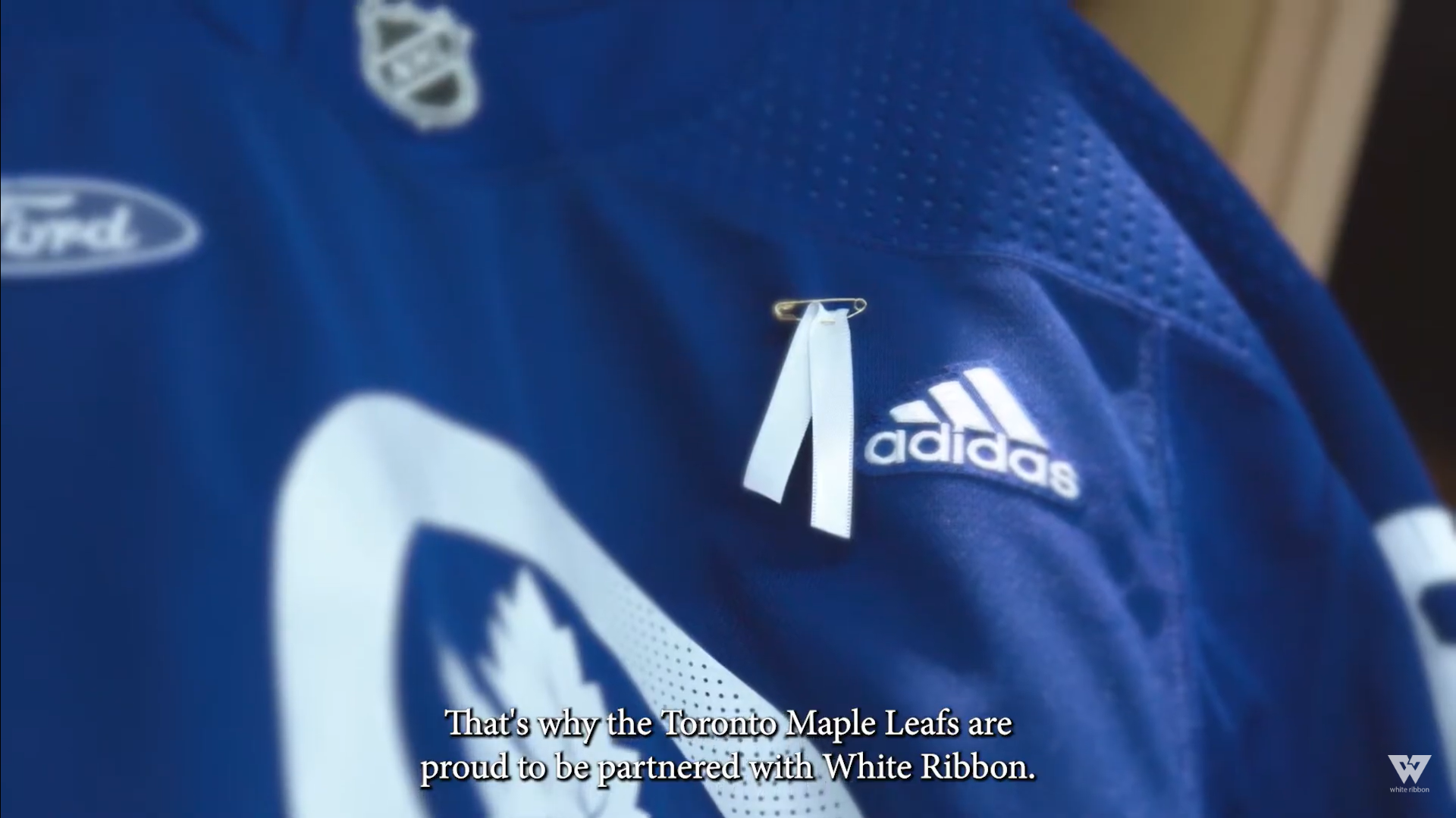
Men of Quality
This campaign, created in partnership with the Toronto Maple Leafs, asks men and boys to commit to being Men of Quality and always stand up for gender equality; to lead by example; challenge racism, heterosexism, and misogyny; and to teach about healthy relationships and consent.

Help and Support
White Ribbon works with men and boys to promote a new vision of masculinity.
Parent groups, schools, organizations, institutions, and communities can book our workshops to gain practical tools and guidance to support boys in building critical thinking and healthy relationships.
If you’re concerned about your safety or someone else’s, explore the resources in the link below and connect with the support that feels right for you.
You are not alone.
Return to raisingboys.ca