

If our algorithms are sick, they can infect us, too.
Boys and young men are increasingly exposed to misogynistic and hateful content online, even if they're not seeking it out. And that repeated exposure can shape their attitudes and behaviours.
Harmful content rarely announces itself as harmful. It may first appear as advice about confidence, dating, fitness, or success, but platforms designed to maximize engagement can repeatedly recommend more hateful content, gradually reinforcing misogyny, anger, and resentment until these messages begin to shape how young people understand themselves and others.
That's why it's important to be conscious of what content we're watching and engaging with online, and to take an active role in shaping our algorithms. To do that, we must learn to recognize, question, and reject misogynistic and hateful content, and to prevent the spread of radicalization by reshaping our algorithms before they have a chance to reshape us.

A healthy algorithm isn't enough.
Algorithm Sickness is a White Ribbon campaign that reveals how online misogyny is amplified—and provides practical ways to interrupt it.
Help us bring these tools to more families, educators, and communities across Canada. Your donation supports White Ribbon’s public education campaigns and helps us continue challenging online misogyny, promoting healthy masculinities, and preventing gender-based violence.
Want to bring your workplace into the campaign? Explore opportunities to become an official campaign sponsor.

Content isn't the only cause.
Change the feed.
Change what it teaches.
Few boys set out to find this content, and fewer still set oto believe it. Most are just looking for confidence, connection, or somewhere to belong. But every platform is built to hold attention for as long as possible, and offers more of whatever keeps a young person watching, whether that's healthy or not.
Beyond training your algorithm to share healthier content, we need to strengthen our critical thinking and call out hate and misogyny when we see it, both online and offline. We need to reinforce and champion healthy masculinities, promote open conversations at home, support educators, and push technology companies and governments to enact measures to prevent online misogyny and radicalization.
See what we're doing to build a safer internet, and how you can help
Find tools and advice on how to keep your algorithm healthy
Learn how to talk to your children about social media safety at raisingboys.ca
How it Happens
Understanding the pattern is the first step to interrupting it.
-
Social media platforms are designed to keep people watching, clicking, and returning. Every interaction, including how long someone lingers on a post, provides the algorithm with information about what holds their attention. The longer someone stays on the app, the more the platform earns from advertisers. This means the system's core function is to keep people engaged, and it does not necessarily distinguish between content that supports someone's well-being and content that simply provokes a strong reaction.
-
Boys and young men have normal questions about masculinity, relationships, identity, confidence, and belonging in the world around them. They may search for fitness advice, dating guidance, gaming content, or just something funny. There is nothing unhealthy about their curiosity. However, every search, click, and view can influence what the platform recommends next.
-
Content that produces a strong emotional reaction in him, whether curiosity, frustration, anger, or outrage, can hold his attention for longer. The algorithm notices, and recommends similar content that is slightly more provocative or extreme. The change is subtle. Each recommendation can appear connected to what came before, even as the overall direction begins to shift.
-
Over time, a young person's feed can begin presenting a limited and increasingly intense view of masculinity, relationships, and gender. Misogynistic content may portray women as the problem, frame dominance as strength, or turn understandable feelings of loneliness and uncertainty into blame and resentment. At this point, the boy may no longer be searching for this content; it is being repeatedly brought to him.
-
Repeated exposure like this can make extremist ideas seem common, credible, or socially accepted. Certain closed online communities, which this content often leads to, can further reinforce these messages by offering boys a sense of identity and belonging, while discouraging empathy, equality, and healthy relationships.
This does not mean he is passive or incapable of making his own choices. It means his choices are being shaped within a system designed to influence what captures his attention.

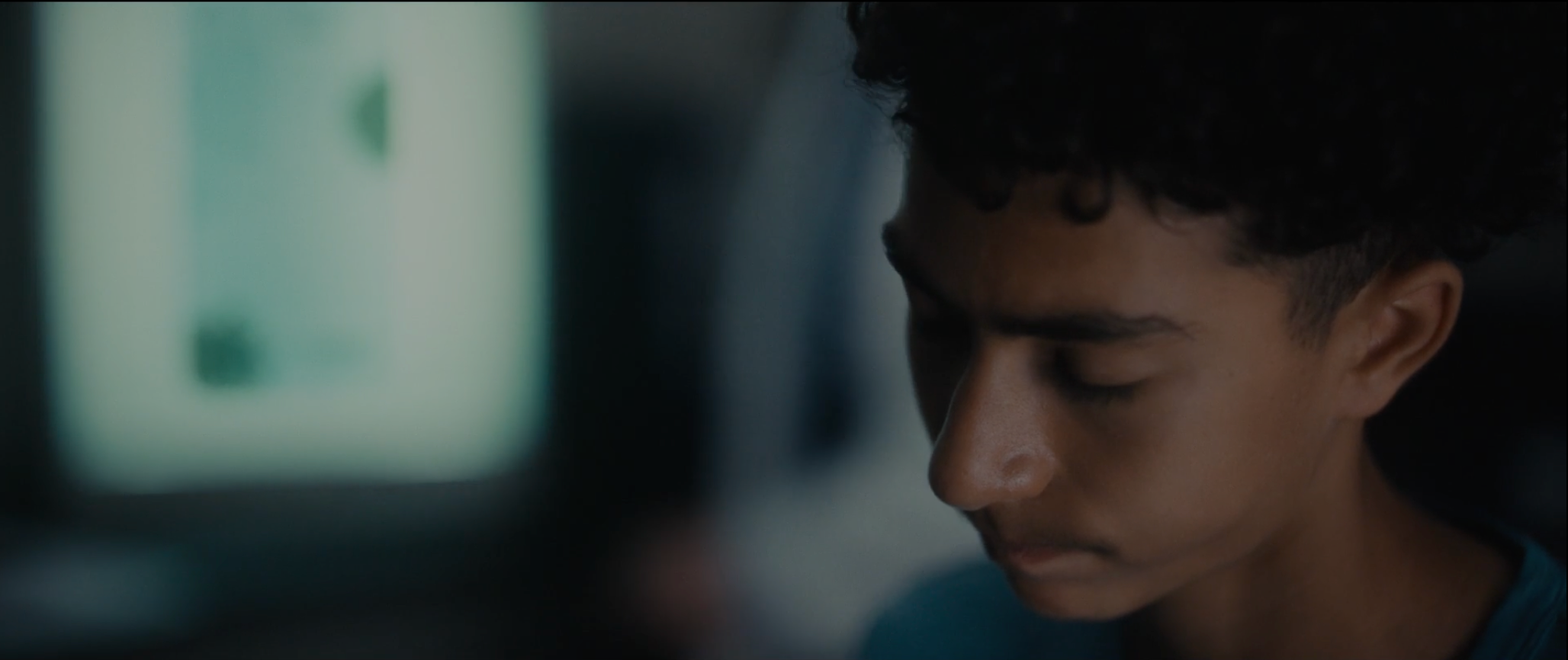
This is the pattern Algorithm Sickness is designed to interrupt.

A Prescription for a Healthier Feed
White Ribbon offers a set of concrete, low-effort habits for taking control of your feed rather than letting it take control of you. It's the same expertise behind campaigns like Boys Don't Cry — grounded in White Ribbon's research, evidence-informed resources, and programs on healthy masculinities, gender equality, and violence prevention, and further supported by research on digital wellbeing, including Dr. Kaitlyn Regehr's work on "digital nutrition." None of these require deleting an app or giving up social media; they're about being an active participant in what you see, not a passive one.
-
Sit down with your feed — alone, with your kid(s), with your students, or with a friend — and actually look at what's showing up. Ask yourself: What messages appear repeatedly? How do they make me feel? What are they teaching about masculinity, women and girls, relationships, and respect? Most people are surprised by what they find once they look on purpose instead of scrolling on autopilot. Parents and caregivers can do this alongside young people too, as a shared exercise rather than surveillance or punishment.
-
Ask who created the content, what they want you to believe, and who benefits from keeping you engaged. Be cautious of advice that relies on fear, resentment, humiliation, dominance, or blaming an entire group of people.
-
Likes, comments, shares, replays, and viewing time all help train a feed. Choose carefully what you engage with, unfollow accounts that promote hate or misogyny, and seek out content that supports empathy, equality, healthy relationships, and personal growth.
-
If you clicked on one thing and, twenty minutes later, you're watching something completely different and more intense, that's the pattern. Naming it out loud is often enough to break it.
-
Every so often, consider what you intended to do online, where you ended up, and how the experience affected your mood. If content repeatedly leaves you feeling angry, isolated, ashamed, or resentful, it may be time to step away and speak with someone you trust.
-
The goal is an open conversation, not a confiscated phone. Young people need space to ask questions about masculinity, dating, relationships, and belonging without being shamed. Parents, caregivers, and educators can listen with curiosity, help young people examine what they're seeing, and offer healthier perspectives — rather than reacting with alarm or shutting the conversation down. Boys who feel heard are far more likely to let the adults in their life help them make sense of what they see.
-
A healthier feed is one part of the solution. We also need to challenge misogyny when we encounter it, practise consent and respect in our relationships, support friends, and model healthier forms of masculinity. Young people cannot solve this problem alone. Technology companies must prevent their platforms from amplifying harmful content, governments must strengthen protections and accountability, and adults and institutions must give boys the knowledge and support they need to navigate online spaces safely.
For youth in digital spaces
Gaming, social media, group chats, livestreams and online communities are part of everyday life. They can help you connect with friends, discover new interests and find people who share them. But what you see online isn't random. Platforms learn from what keeps your attention, while people and communities can influence what feels normal, funny or true. Knowing how those influences work gives you more control over your experience.
-
Ever clicked on one video, post or meme and found yourself somewhere completely different 20 minutes later? Pay attention to that journey. What started it? What kept you watching? Did the content become angrier, more sexist, more negative or more extreme as you went? Recognizing the pattern makes it easier to interrupt.
-
Seeing the same message again and again can make it feel like everyone thinks that way. They don't. Your feed, recommendations and online communities show you a narrow slice of the world based partly on what you and others engage with. Before accepting something as true or normal, step outside that bubble and look for other perspectives.
-
Anger, outrage, insecurity and controversy can be hard to scroll past—and platforms can learn that. Notice the content that gets a reaction from you, even when you disagree with it. Watching, replying, arguing, sharing or repeatedly returning to something can all influence what you encounter next.
-
Don't just scroll past content you don't want shaping your online experience. Use the tools available to you: unfollow, mute, block, report or tell a platform you're not interested. Then actively search for and engage with things you do want more of—new interests, hobbies, creators, communities and perspectives that make your online world bigger rather than smaller.
-
You aren't just receiving content; you’re also shaping the spaces and relationships around you. Think about what you like, share, joke about, and say to others. You can challenge misogyny, refuse to pile onto someone being targeted, support a friend, leave a toxic community, and choose to treat people with respect—online and offline.
Social media, gaming, and other digital spaces can be positive sources of friendship, creativity, entertainment, and belonging. But they can also expose young people to misogynistic jokes, harassment, rigid ideas about masculinity, and communities that blame women and girls for boys’ frustrations. These messages may come from friends and peers, as well as other players, creators, streamers, influencers, group chats, forums, and recommended content.
If your child spends time online
-
The apps, games, and platforms they use are only part of their online experience. Ask about the people they follow, creators they watch, group chats they participate in, communities they belong to, and content that gets recommended to them. These surrounding spaces can shape young people’s attitudes just as much as the platform or game itself.
-
Misogyny does not always begin with obviously extreme content. It can appear as sexist jokes, insults about women and girls, pressure on boys to appear dominant, ridicule of boys who show vulnerability, or content that repeatedly portrays gender equality as a threat. Pay attention when these messages become repetitive or increasingly hostile, or begin influencing a young person’s attitudes and behaviour offline.
-
Learn about the digital spaces the young people in your life enjoy. Depending on their age, this might mean playing together, looking at their feed with them, watching a creator they follow, or simply asking about the people and conversations they encounter online. Approach these conversations with curiosity rather than judgment. Staying open makes young people more likely to talk to you when something feels uncomfortable or confusing.
-
Talk about why misogynistic jokes, harassment, and stereotypes cause harm—even when they are presented as humour or everyone appears to be “in on it.” Help young people practice age-appropriate ways to question harmful messages, respond or leave a conversation, support someone being targeted, block or report harmful accounts, and seek out creators and communities built around respect.
-
One conversation will not protect a young person from every harmful influence online. Return to the subject regularly, model healthy attitudes about gender and masculinity, and make it clear that they can come to you without immediately losing access to the games, platforms, or communities they enjoy.
Bring your organization into the conversation
The attitudes boys and young men encounter online can follow them into classrooms, workplaces, and professional relationships. By sponsoring Algorithm Sickness, your organization can help expand this national campaign while engaging employees in an urgent conversation about online misogyny, healthy masculinities, and allyship.

This project has been funded by Women and Gender Equality Canada.

Proudly sponsored by:
Need Help?
If you or someone you know is struggling with online content, isolation, or harmful influences, visit our resource hub for support.